Pages Without Borders: The Unsung Heroes Hauling Books Into America's Reading Deserts
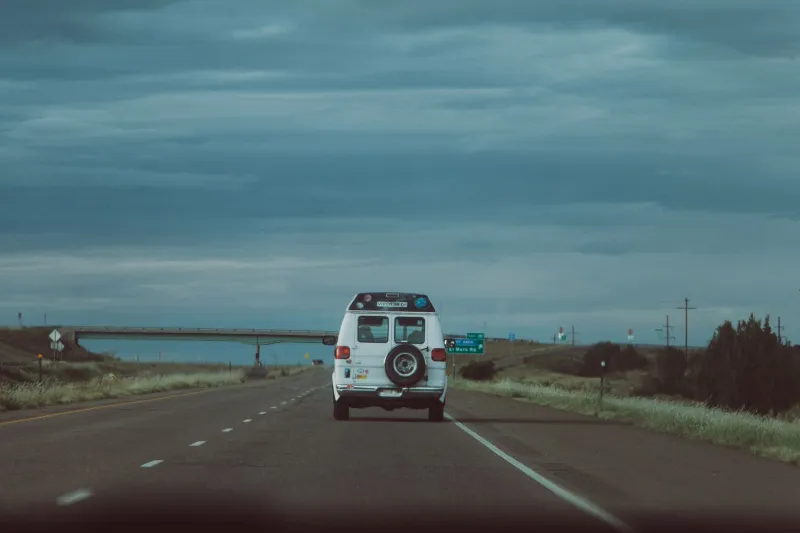
Somewhere in eastern Kentucky, a converted school bus painted the color of a summer sky is rattling down a two-lane road that Google Maps gave up on years ago. Inside, shelves are bolted to the walls and packed with picture books, paperbacks, and a modest collection of large-print thrillers for the older folks who've been waiting three weeks for this visit. The driver knows every pothole by heart. She's been running this route for eleven years.
This is what the fight for literacy looks like in rural America — not a ribbon-cutting ceremony or a glittering new building, but a woman in a secondhand van who just really, really believes that every kid deserves a book.
The Geography of the Gap
About 30 million Americans live in what researchers and advocates have started calling "book deserts" — communities where access to physical libraries, bookstores, or even school libraries with adequate funding is either severely limited or completely absent. The problem tracks closely with rural poverty, and it compounds fast. Kids who don't read proficiently by third grade are four times more likely to drop out of high school. In counties where the nearest library branch sits 45 miles away and families are working two jobs just to keep the lights on, that trip simply doesn't happen.
The American Library Association estimates that roughly 17 percent of public library buildings in the U.S. are located in rural areas, even though rural communities make up nearly 20 percent of the population. That gap — small on paper, enormous in practice — translates into kids growing up without summer reading programs, without storytime, without a quiet place to sit and discover that books can take you somewhere your circumstances can't.
But here's the thing about book deserts: people keep planting things in them anyway.
The Bookmobile Renaissance Nobody Told You About
Bookmobiles are having a moment, and it's a genuinely beautiful one. After decades of budget cuts that shuttered mobile library programs across the country, communities are bringing them back — sometimes through county funding, sometimes through grants, and sometimes through sheer stubbornness.
In rural Montana, the Glacier County Library operates one of the most remote bookmobile routes in the nation, serving communities on the Blackfeet Reservation where the nearest branch library is over an hour away. The route covers hundreds of miles and reaches elders, homeschooling families, and kids who treat the bookmobile's arrival like a holiday. Because for them, it is.
Down in Mississippi — a state that consistently ranks near the bottom of national literacy assessments — the Noxubee County Library System runs a bookmobile program that doubles as a lifeline. Librarians there aren't just dropping off books. They're helping patrons apply for jobs, navigate government websites, and access digital literacy resources on tablets the library loans out alongside the novels.
"People think of libraries as buildings," one rural library director told a regional newspaper last year. "But a library is really just the idea that information belongs to everyone. The building is optional."
Volunteers Who Show Up Anyway
Not every rural literacy hero drives a bookmobile. Some of them are retired teachers who coordinate volunteer reading programs out of church basements. Some are parents who started a Little Free Library on their front porch and ended up stocking twenty of them across a three-county stretch. Some are college students doing AmeriCorps stints in communities they'd never heard of before, and staying long after their service year ends because the work got under their skin.
Organizations like Reading Is Fundamental, Dolly Parton's Imagination Library, and First Book have built distribution networks specifically designed to reach families in isolated areas. Imagination Library alone has gifted over 200 million books to children in low-income and rural communities since its founding, mailing age-appropriate titles directly to kids from birth through kindergarten. In some rural counties, it's the only consistent book delivery system that exists.
What these programs share — beyond the obvious logistical heroics — is a refusal to treat rural communities as afterthoughts. They operate from the assumption that the desire to learn is everywhere, even when the infrastructure to support it isn't.
When the Library Comes to You
In Vermont, a network of volunteer "library ambassadors" drives books to homebound elderly residents, many of whom live alone on rural routes that get cut off entirely in winter. In West Texas, a program called the High Plains Library District has partnered with local schools to embed library services directly into school campuses in towns too small to support a standalone branch. In Appalachian Ohio, a retired postal worker spends his weekends dropping off book bags to families along his old mail route, a one-man operation funded entirely by donations he collects through a Facebook page his granddaughter set up for him.
None of these people are waiting for a systemic fix. They've decided the kids in their communities can't afford to wait.
That's not to let policymakers off the hook — rural library funding is chronically underprioritized, and federal programs like the Library Services and Technology Act need stronger investment and smarter distribution formulas that account for geographic isolation, not just population size. Advocacy matters. Voting matters. Showing up to school board meetings and county commissioner sessions and demanding that literacy infrastructure be treated as essential — that matters too.
But while those fights play out, the bookmobiles keep rolling.
Light in the Long Driveway
There's something quietly radical about the idea that a book can travel to find a child, rather than the other way around. It says something important about who we think deserves access to knowledge, and how far we're willing to go to make that access real.
The librarians and volunteers doing this work aren't naive. They know one bookmobile route doesn't fix generational poverty or crumbling school infrastructure or the broadband deserts that overlap so painfully with book deserts. They know the scale of the problem dwarfs the scale of their solutions.
But they also know what happens when a seven-year-old in a hollow in West Virginia gets handed a book about a kid who looks like her and lives somewhere that feels like home. They've watched it happen. They've seen the face.
That's the thing about light — you don't need to flood a room with it to change everything. Sometimes you just need enough to read by.
And in rural America, a whole lot of people are making sure that light finds its way down every last dirt road.